
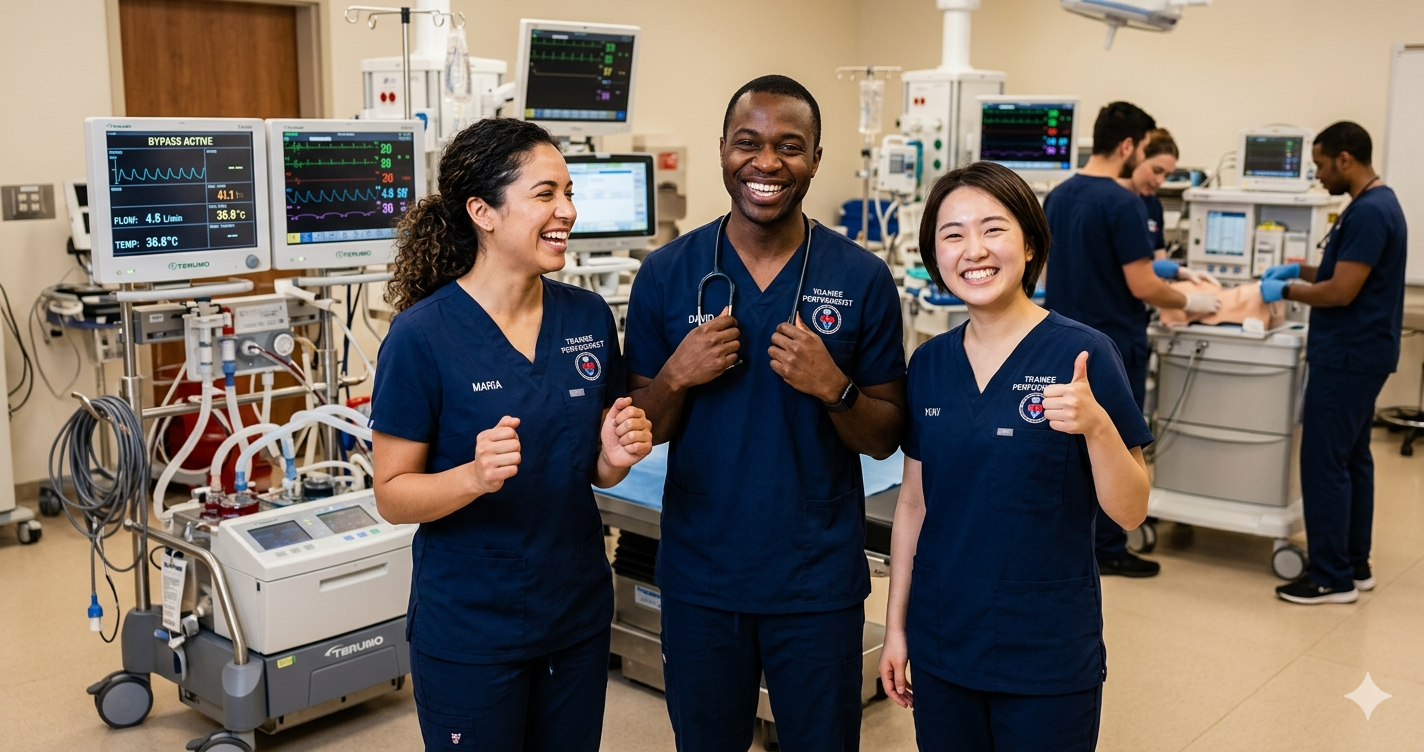
Perfusion is perhaps the most critical “hidden” role in a hospital, where you are quite literally responsible for keeping a patient’s blood circulating while their heart is stopped during surgery. This trainee post at Mid and South Essex NHS Foundation Trust is a gateway into a high-stakes, highly technical medical specialty that very few people even know exists. You will be based at the Essex Cardiothoracic Centre, a regional hub of excellence that handles complex heart surgeries daily.
The training package is exceptionally generous, offering a starting salary of over £43,000 under the Annex 21 pay scale. This isn’t just a job; it’s a fully funded path to becoming a Clinical Perfusion Scientist, with the trust supporting your MSc in Perfusion Science at the University of Bristol. For those with a biological science degree who want to work in the heart of the operating theatre rather than a lab, this is one of the most rewarding entry points available in the UK today.
Job Overview
| Job Title | Trainee Perfusionist |
| Employer | Mid and South Essex NHS Foundation Trust |
| Location | Basildon, UK |
| Salary | £43,742 per annum (Band 7 Annex 21) |
| Contract Type | Permanent (Subject to training completion) |
| Hours | 37.5 hours per week |
| Visa Sponsorship Status | Visa Sponsorship Available |
| Closing Date | Not specified |
| Interview Date | Not specified |
What You’d Actually Be Doing
- Operating the heart-lung machine by taking over a patient’s respiratory and circulatory functions during open-heart surgery. You will be the one responsible for oxygenating the blood and pumping it back into the body while the surgeon works.
- Monitoring physiological parameters such as blood gases, temperature, and anticoagulation levels with extreme vigilance. You must be able to spot minute changes in data and react instantly to keep the patient stable.
- Managing blood salvage systems to ensure that any blood lost during surgery is cleaned and returned to the patient, reducing the need for donor transfusions.
- Collaborating with the surgical team in a high-pressure theatre environment. You are a key member of the multidisciplinary team, communicating constantly with surgeons and anaesthetists.
- Attending university blocks at Bristol to learn the complex physics, pharmacology, and anatomy required for your professional registration. This requires significant dedication to private study outside of your theatre hours.
Who They’re Looking For
The essential requirement is a 2:1 honours degree in a biological or biomedical science subject. Because the role is so technically demanding, you must demonstrate a high level of “mental alertness” and the ability to concentrate for many hours at a time during long operations. You need to be someone who remains calm when things get intense and who has the manual dexterity to handle delicate medical equipment.
While not strictly required, any previous experience in a clinical setting or a demonstrated understanding of cardiothoracic surgery will be highly regarded. The trust is looking for someone with high emotional intelligence who understands the gravity of being responsible for a patient’s life.
Do not be intimidated by the complexity of the equipment. The trust is looking for the right “fit” and academic foundation; they will provide the thousands of hours of supervised practice needed to make you an expert.
What Most Applicants Get Wrong
- Misunderstanding the “On-Call” requirement. Many applicants don’t realise that once you are a perfusionist, you will be part of a 24-hour emergency rota. You need to demonstrate that you are prepared for the lifestyle impact of emergency call-outs.
- Failing to research the Bristol MSc. This is the only course of its kind in the UK. If you haven’t researched how the academic side of the training works, you will struggle at the interview stage.
- Not knowing the equipment names. You don’t need to be an expert, but knowing what a “Cell Saver” or a “Centrifugal Pump” is shows you have done your homework beyond the job advert.
How to Apply (and Actually Get Noticed)
- Go to the NHS Jobs or Trac Jobs website to find the formal listing for Mid and South Essex.
- Tailor your “Supporting Information” section to focus on your ability to work in a theatre environment.
- Mention the Essex Cardiothoracic Centre specifically and why you want to train at this particular site.
- If possible, ask if you can visit the department for an informal tour before the interview; this shows incredible initiative.
- Double-check that your degree transcripts are ready to be uploaded, as the 2:1 requirement is strictly enforced.
Visa and Eligibility
Visa sponsorship is available for this role, as Perfusion Scientists are on the UK’s shortage occupation list (now integrated into the Immigration Salary List). International applicants must have a degree that is equivalent to a UK BSc and meet the English language requirements for a Skilled Worker visa. You can check your eligibility on the UK Visas and Immigration website.
Frequently Asked Questions
Here are answers to the most common questions people ask about this Trainee Perfusionist role at Mid and South Essex NHS Foundation Trust, including eligibility, interview format, visa requirements and what to expect from the application process.
What is the salary for an NHS trainee perfusionist?
The salary for this trainee role is £43,742 per annum, which is based on Band 7 of the Agenda for Change pay scale under Annex 21 (trainee) arrangements. This salary is paid monthly while you complete your two-year clinical and academic training.
Is the Perfusion MSc at Bristol University mandatory?
Yes, the MSc in Perfusion Science at the University of Bristol is the standard academic requirement for professional registration in the UK. The trust will facilitate your enrollment and pay the tuition fees while you work.
Do I need to be a nurse to become a perfusionist?
No, you do not need a nursing degree; a 2:1 honours degree in a biological or life science subject is the standard entry requirement. Many perfusionists come from backgrounds in physiology, biology, or biomedical science.
Will I have to work night shifts during my training?
While most elective cardiac surgeries happen during the day, you will eventually be expected to participate in the “on-call” rota for emergency cases. As a trainee, your hours are usually more structured, but you will experience on-call shifts as you progress.
Does the NHS provide visa sponsorship for trainee perfusionists?
Yes, this specific role at Mid and South Essex NHS Foundation Trust offers visa sponsorship for qualified international candidates. This falls under the Health and Care Worker visa route, which has lower application fees than the standard Skilled Worker visa.
What happens if I fail one of the academic modules?
The trust and the university provide significant support to ensure you pass, but as this is a professional training post, your continued employment is usually contingent on making satisfactory progress through both the MSc and clinical competencies.
How long does it take to become a fully qualified perfusionist?
The training programme typically takes two years of full-time work and part-time study. After this, you must pass the professional examinations set by the Society of Clinical Perfusionists to become a fully autonomous practitioner.
Is Basildon a good place for international healthcare workers?
Basildon is home to the Essex Cardiothoracic Centre, which is a major employer in the region with a very diverse and international workforce. It offers good transport links to London while having a lower cost of living than the capital.
Official Application Link
Apply directly for this role through the official Trainee Perfusionist at Mid and South Essex NHS Foundation Trust page.